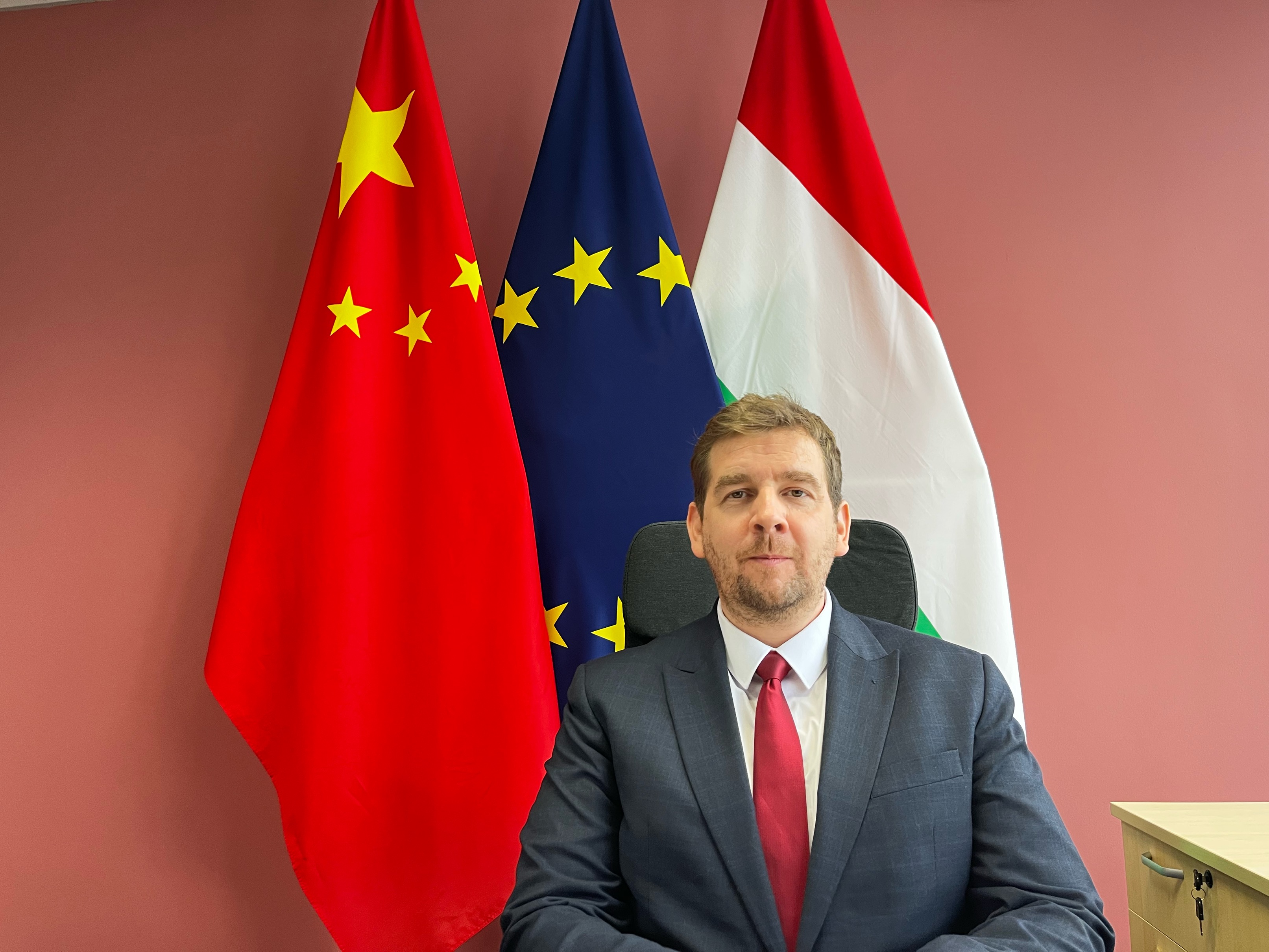
In February 2010, the Consulate General of Hungary in Chongqing officially opened. Over the past fifteen years, the Consulate General has played an active role in promoting cultural exchange and economic cooperation between Chongqing and Hungary. Recently, Chongqing Currents magazine conducted an exclusive interview with Mr. Bálint Czégel, the current Consul General, to discuss bilateral achievements and future priorities for collaboration.
Our Work in Chongqing is Yielding Great Results
CQ CURRENTS: In 2024, we celebrated the 75th anniversary of diplomatic ties between China and Hungary. Could you share some of the key initiatives undertaken by the Hungarian Consulate General in Chongqing during this significant year?
Mr. Bálint Czégel: I believe 2024 was a fitting occasion to mark the 75th anniversary of Hungarian-Chinese diplomatic relations, For the first time in two decades, China's highest leader visited Hungary, and during the visit, our countries elevated their relationship to All-Weather Comprehensive Strategic Partnership for the New Era. For the Consulate General in Chongqing, it was perhaps the most successful year since our establishment 14 years ago.
We welcomed the Speaker of the Hungarian National Assembly to Chongqing – the highest-level Hungarian official to visit the city. All key Hungarian-Chinese cooperation projects progressed significantly. The Hungarian-Chinese Technology Transfer Centre (CHTTC) solidified its role on the list of Belt and Road key projects and began operations in Guangxi and Hunan through local partners.
The Hungarian-Chinese Food Science Research Centre, jointly established by the Hungarian University of Agriculture and Life Sciences (MATE) and Southwest University in Chongqing, received the title of "Belt and Road Laboratory" last year – one of the highest honours for foreign collaboration projects in China. I would also highlight the 2023 collaboration between Nobel Physics Laureate Professor Ferenc Krausz and Chongqing University's Three Gorges Hospital, resulting in the establishment of a new research institute named the "Institute for Advanced Interdisciplinary Studies – Krausz Nobel Laureate Workstation".

On the cultural front, we achieved much as well. Within the established framework of the Western China Hungarian Cultural Festival Spring/Autumn of Budapest programme, we organised numerous concerts, exhibitions and cultural events in 2024. Notably, the Hungarian National Male Choir—our finest male vocal ensemble—performed in Chongqing. Finally, to mark the 50th anniversary of the invention of the Rubik's Cube, the Liszt Institute – Hungarian Cultural Centre (Beijing) and the Chongqing Rubik's Cube Association, with the support of the Hungarian Consulates, held a transnational competition series. The grand closing ceremony was held in Chongqing, attended by senior officials from both sides.

I'm home
CQ CURRENTS: Before becoming Consul General, you spent several years working in Chongqing. How would you describe the cultural and historical richness of the city?
Mr. Bálint Czégel: I consider Chongqing one of the most exciting cities in the world. Its people have found an extraordinary balance between preserving tradition and embracing modernity. My family and I feel privileged to have called Chongqing our second home for six years now. The warmth, friendliness and optimism of its people will leave a lifelong impression on us—especially in terms of our culinary habits. For instance, we eat Chongqing xiaomian for breakfast three or four times a week. And every time I return from a long trip and catch the scent of hot pot in the air, I think to myself: "I'm home."

Chongqing Boasts Exceptional Opportunities
CQ CURRENTS: As Chongqing continues to open up, its international business environment is steadily improving. What are the key highlights of this environment, in your view?
Mr. Bálint Czégel: Chongqing's business environment has advanced markedly due to its strategic role as a logistics hub within the Belt and Road Initiative and the Yangtze River Economic Belt. The city offers robust infrastructure, supportive policies for foreign investors, and a burgeoning innovation ecosystem—particularly in the high-tech sector. Its Free Trade Zone, and its focus on smart manufacturing, the automotive industry and the digital economy, present excellent opportunities for global investors, including Hungarian companies seeking entry into China's western region.

New Plans for 2025
CQ CURRENTS: As 2025 marks the 15th anniversary of the Hungarian Consulate General in Chongqing, what new plans are in place?
Mr. Bálint Czégel: In 2025, we plan to continue building on our existing cooperation. The Hungarian-Chinese Technology Transfer Centre (CHTTC) intends to organise a delegation from the automotive and battery sectors to attend the Automotive Hungary Expo in search of new opportunities. We are also preparing a travelling exhibition showcasing Hungarian innovation, and we hope to hold a dedicated health technology exhibition—building on the collaboration between Professor Krausz and the Three Gorges Hospital. Furthermore, we will place particular emphasis on promoting bilateral tourism. I warmly encourage every Hungarian to visit Chongqing and sincerely invite our Chongqing friends to discover Hungary.

Looking Forward to More Diverse Economic and Trade Cooperation
CQ CURRENTS: Which areas of economic and trade cooperation do you anticipate will become key focal points in future collaboration between Chongqing and Hungary?
Mr. Bálint Czégel: Hungary is rapidly becoming a hub for the automotive and battery industries, thanks in part to recent Chinese investment. Likewise, the Chengdu-Chongqing Twin-City Economic Circle has ambitions to become a global leader in electric vehicle and battery manufacturing. Given the industrial similarities between Hungary and this region, our goal is to foster cluster-level cooperation between both sectors. The first step will involve regular dialogue between professional bodies, universities, and research institutions to identify areas for collaboration. These could form the basis for joint R&D, trade and investment projects.
The health technology sector is another area where Hungary excels internationally. Hungarian companies produce a comprehensive range of tools for medical and biological research and are responsible for some of the world's top equipment—such as the fastest 3D laser microscope, the best digital pathology systems, cutting-edge ECG devices, and advanced diagnostic tools. We hope that, with support from CHTTC and the Chongqing municipal government, some of these companies will establish operations here and jointly set up a Hungarian-Chinese Belt and Road Health Technology R&D and Manufacturing Centre.
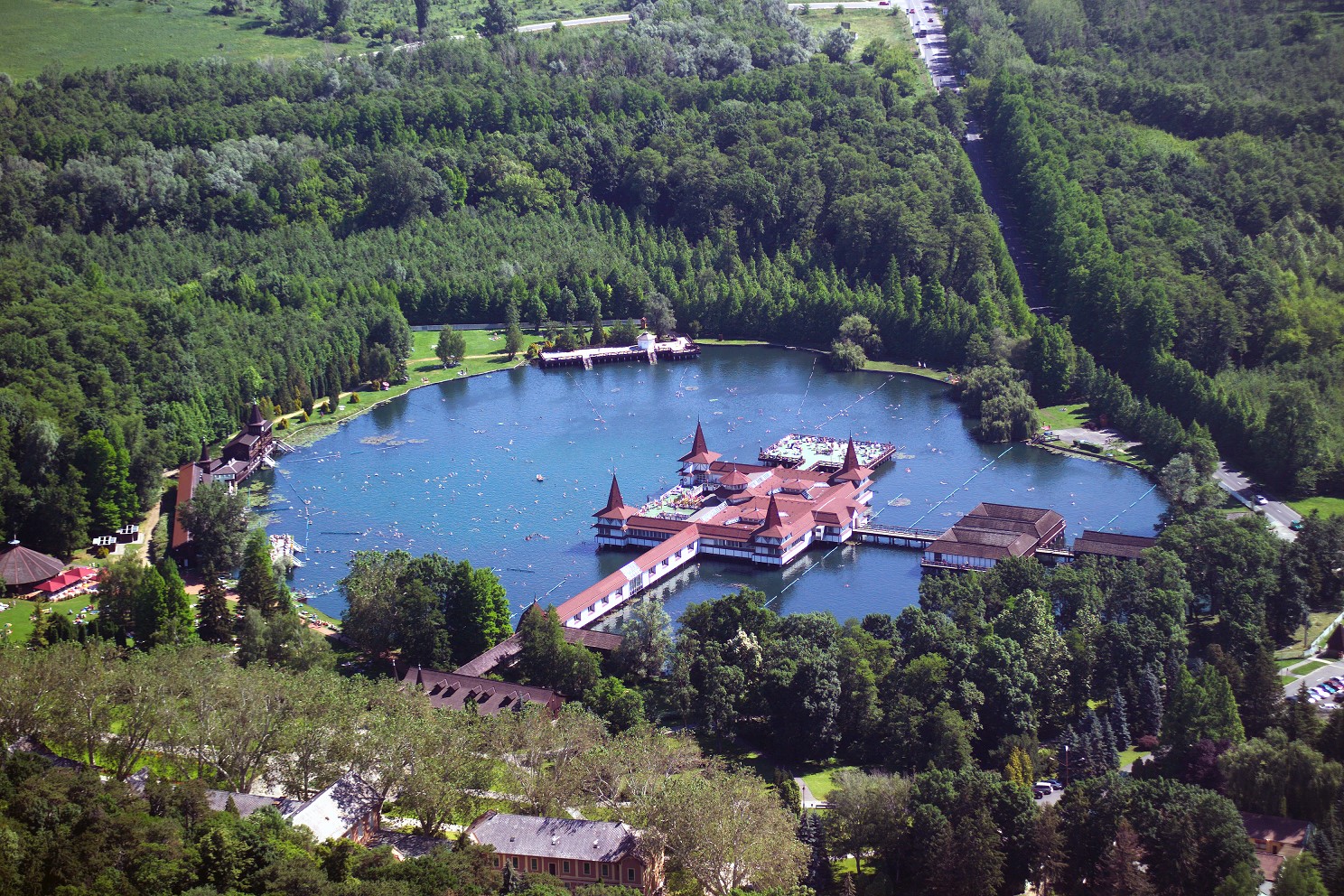
Another area of synergy is thermal springs. Both Hungary and Chongqing are rich in geothermal water resources. Since 2019, a Chongqing firm has exclusively represented Hungary's renowned Hévíz thermal therapy in China. Recognised for its therapeutic effectiveness—backed by science and integrated into Hungary's national health insurance—thermal therapy also has strong tourism appeal. Visitors typically stay for at least two weeks. Promoting and localising Hungarian thermal therapy in Chongqing could significantly boost overnight tourism in the city.
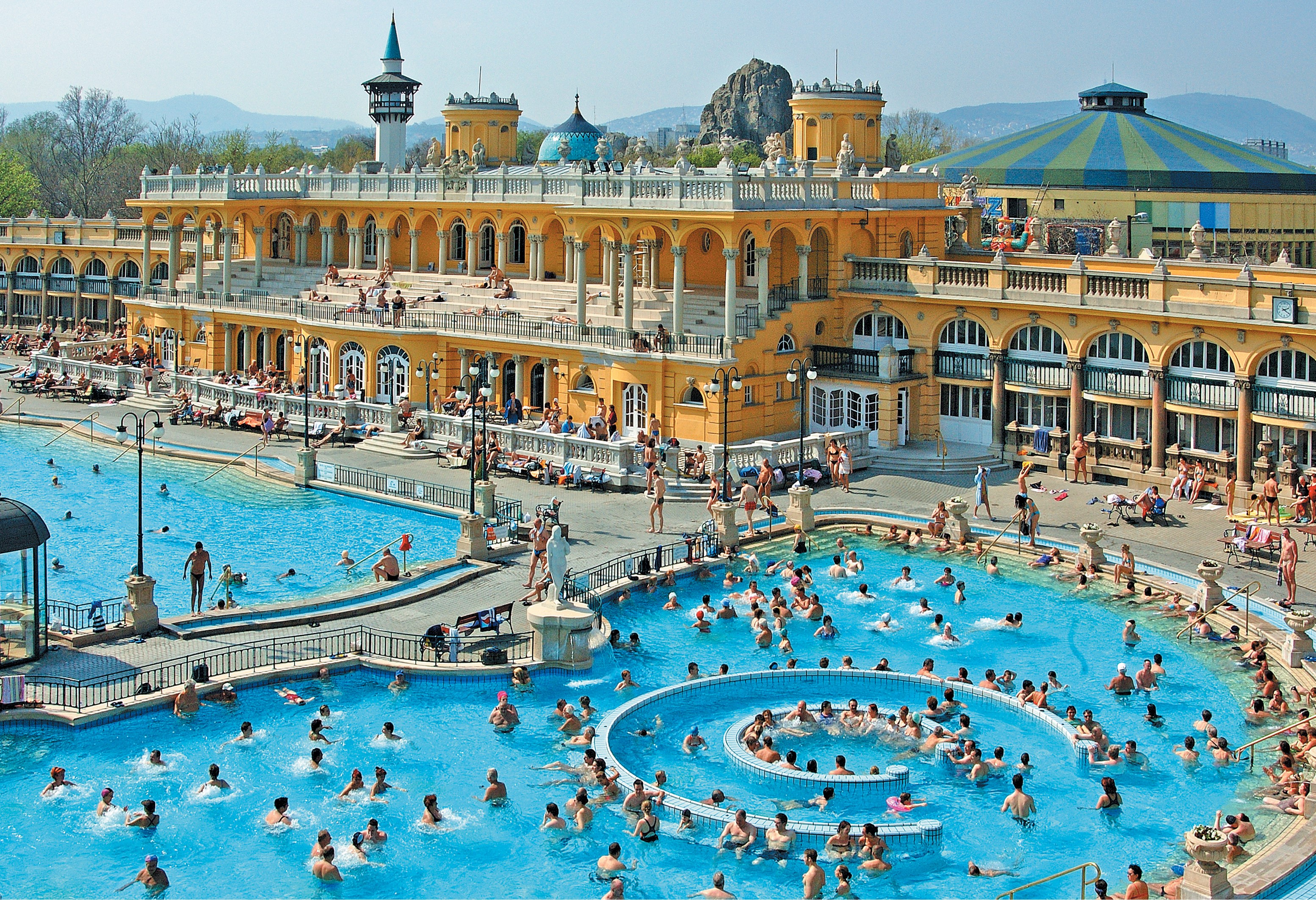


Picture source: Consulate General of Hungary in Chongqing