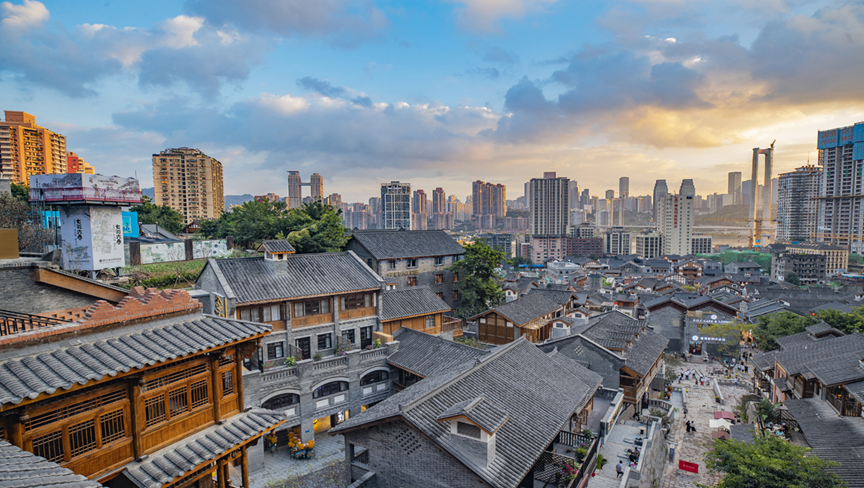
Overview of Total Retail Sales of Consumer Goods in Selected Major Cities in China, January-February 2025
-
On 19 July 2021, with approval from the State Council, Chongqing became the first city in China to launch the development of an international consumption hub, joining the first batch of five national pilot cities.
-
In October 2021, the Chongqing Municipal Government issued the Implementation Plan for Cultivating and Building an International Consumption Hub City in Chongqing.
-
In March 2025, the General Office of the State Council circulated the Ministry of Commerce's Measures to Support the Cultivation and Development of International Consumption Hub Cities, supporting Shanghai, Beijing, Guangzhou, Tianjin and Chongqing in accelerating the development of globally attractive consumption environments, comprehensively expanding domestic demand, and deepening high-level opening-up.
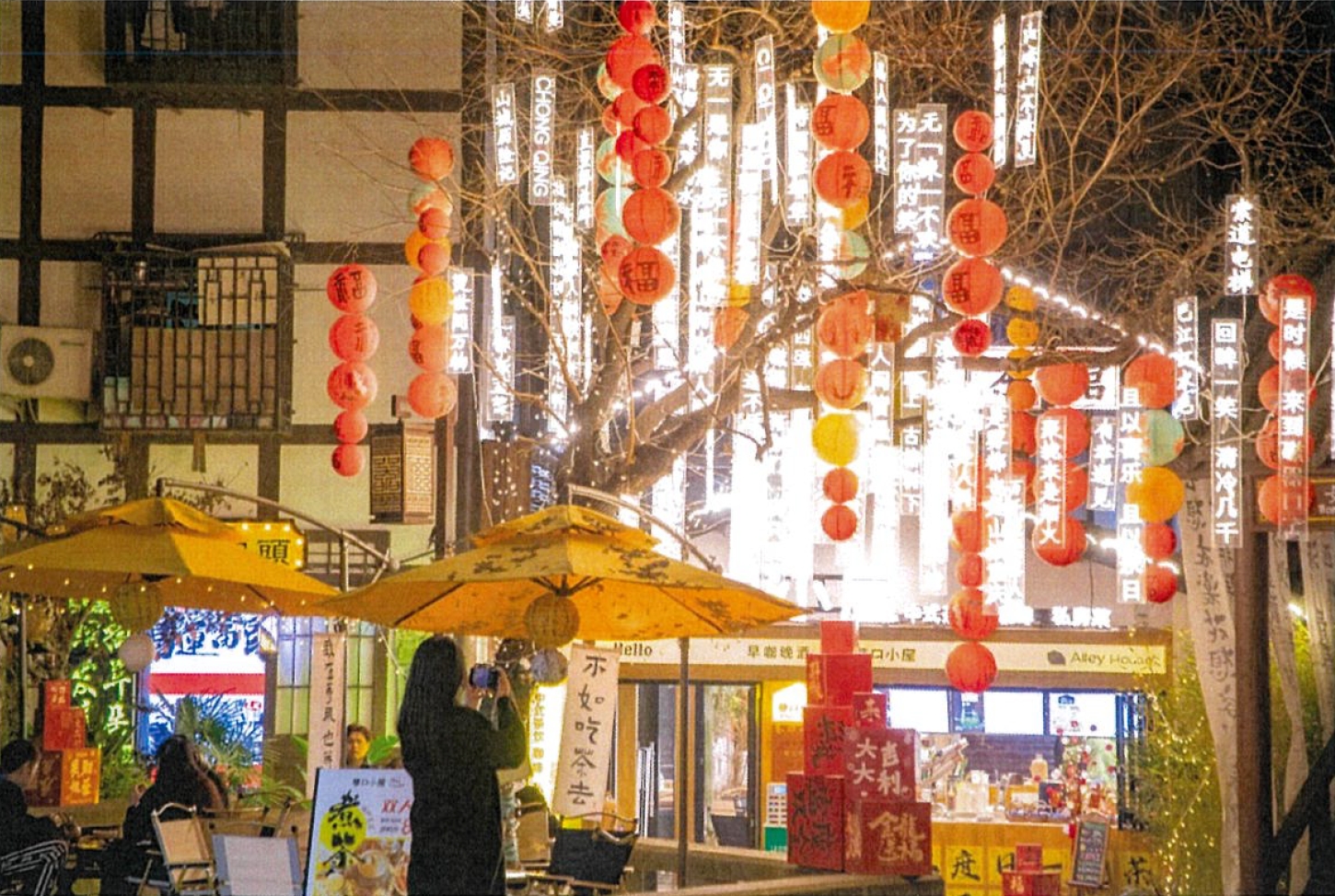
Creating New Consumption Scenarios
During the 2025 Qingming Festival holiday, Ziwei Road in Yubei District attracted an average of over 50,000 visitors per day, driven by its distinctive combination of "neighbourhood vibrancy" and "trendy consumer appeal". The street bustled with crowds, and businesses reported a year-on-year increase in turnover exceeding 40 per cent, with catering and cultural-creative consumption accounting for more than 70 per cent of total sales.
Yubei District launched a comprehensive revitalisation project as part of a wider urban renewal initiative. The transformation followed a three-pronged strategy: infrastructure upgrades, cultural enrichment, and business format restructuring. The result was a rejuvenated historic street that has become a popular destination for young visitors, now drawing over 500,000 people each month.
In its pursuit of innovative consumption scenarios, Chongqing has undertaken a comprehensive mapping of its distinctive urban resources. Leveraging its unique "8D magical city" topography, the city has developed a multi-layered commercial model known as Jiangya Jie Dongtian—a consumption space ecosystem encompassing riversides, pedestrian paths, backstreets, cave-like structures, and rooftops. By reclaiming space from the sky and riverside zones, Chongqing is using these imaginative formats to spark a consumption surge and reshape its commercial geography.
Take Longmenhao Old Street, for instance. Situated along the Yangtze River waterfront, the area has created an integrated setting that combines traditional blue-brick architecture with contemporary commercial elements. Within the historic street, visitors can explore cultural heritage buildings alongside trendy cafés, art galleries, and boutique guesthouses. In 2024, the street hosted the Yangtze River Culture & Art Week, drawing more than two million visitors and generating over 1 billion yuan in consumer spending—highlighting the economic potential of blending heritage with modern-day leisure.
Completed 286 Consumption Scenarios: Mountain City Trails, Characteristic Districts, and Riverside Economic Belts
Driven 15%–20% Growth in Rents for Shops Along the Routes
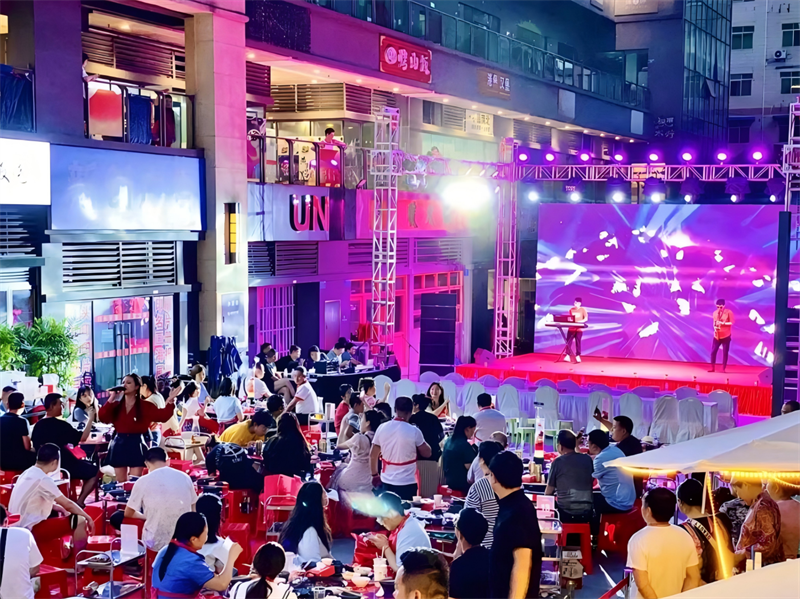
Vigorously Develop the First-Store Economy
Vigorous development of the first-store economy is another major driver behind Chongqing's rising consumer growth. Seen as a barometer of a city's commercial dynamism, the first-store economy also best reflects its international appeal and serves as a powerful engine for boosting consumption. As Chongqing continues its transformation into an international consumption hub, it is seizing this strategic opportunity with determination.
At the beginning of 2024, Chongqing introduced the Measures to Support the Development of the First-Store Economy, with ten departments jointly launching 15 policy initiatives providing substantial financial support. Most recently, the Chongqing Municipal Commission of Commerce issued the 2025 Guidelines for the Application of Support Policies for the First-Store and First-Launch Economy, offering financial incentives of up to 2 million yuan to eligible commercial operators, third-party service agencies, and organisers of debut events, subject to assessment.
This comprehensive suite of policies has significantly invigorated market activity, attracting a host of brand first stores to Chongqing. These include French fashion house Maison Margiela, global lifestyle brand Sanrio, dessert chain Jiushiye Matcha, and Domino's Pizza. According to the Chongqing Municipal Commission of Commerce, more than 120 first-launch and debut events have been held over the past three years, with a total of 892 brand first stores opening in the city.
In 2025, several high-profile commercial developments in Chongqing are set to debut:
? Chongqing Guanghuan Garden City will introduce immersive ecological environments alongside regional-first brands to reshape the city's retail experience.
? Longfor Longxing Tiandi will host more than 100 regional first-store entries, further reinforcing Chongqing's reputation as a hub for retail innovation.
? Yuelai Hub, envisioned as an art-ecological commercial park, will explore innovative formats such as bonded art trading platforms and curated pop-up galleries, aligned with global collaborations like the Italian Design Day.
The influx of first stores brings not only footfall but tangible economic returns. As more first-store and debut initiatives are implemented, supported by deepening policy frameworks, Chongqing is poised to further consolidate its competitive position within the national consumption landscape.
Over the past three years, Chongqing has welcomed 892 brand first stores, establishing itself as a dynamic centre of retail innovation.
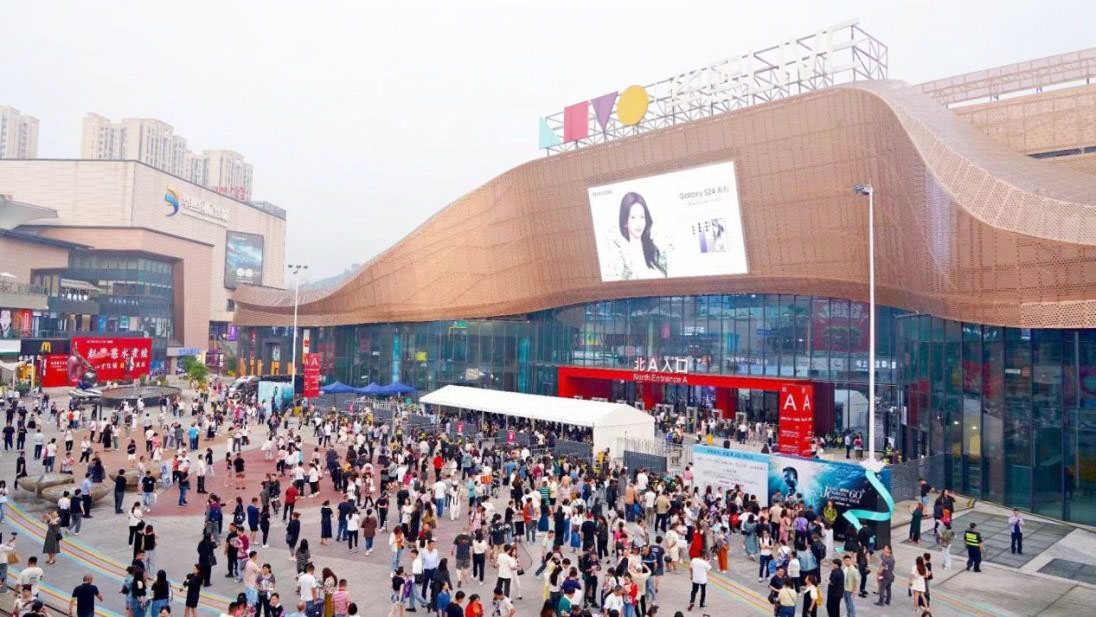
Promote the Rise of County-Level Commerce
In January–February 2025, retail sales in Chongqing's rural markets grew by 4.2 per cent year-on-year, outpacing the growth of urban consumption. This expansion has been driven by the smooth, two-way flow of industrial products into rural areas and agricultural goods into cities, enabling consumption to extend deeper into grassroots markets.
Channeling consumption into county-level areas has become a vital means of driving recovery-led economic growth. In recent years, Chongqing has focused on the development of its "County-Level Commerce System", promoting the two-way circulation of industrial goods to rural areas and agricultural produce into urban centres—effectively unlocking the potential of the rural consumption "reservoir".
In Fengjie, the renowned "City of Poetry", a model combining e-commerce, cooperatives and smallholder farmers has enabled local products such as navel oranges and cured pork to reach urban dining tables directly. Fengjie navel oranges alone achieved a record-breaking 100,000 orders in a single day via online platforms, contributing over 200 million yuan in increased income for local farmers. This model not only shortens supply chains but also channels the benefits of consumption upgrades back into agricultural production.
In a small village in Dianjiang County, more than 120 kilometres from Chongqing's urban centre, the creation of an agricultural e-commerce service platform led to the launch of a collective rural brand—Tiantu Yuli ("Sweet Soil, Chongqing Gifts"). This initiative has successfully promoted local specialities such as citrus fruit, free-range chickens, and dried chillies to markets across the country. In 2024, the village's agricultural sales exceeded 2 million yuan, with the average per capita income rising by 3,000 yuan.
Similar examples abound across Chongqing's districts:
? Dongxi Town, Qijiang District: Through the restoration of its ancient commercial street, the town has established a distinctive trade and cultural centre that integrates leisure, tourism, shopping and experiential consumption.
? Wulong District: The Impression Wulong live performance has become a cultural landmark, significantly boosting local consumption. In 2024, audience numbers increased by 103.5 per cent, driving a 7.5 per cent rise in surrounding hospitality and catering activity.
While consumption in Chongqing's central districts continues to flourish, county-level regions—brimming with untapped potential—are rapidly emerging as new engines of commercial growth.
Chinese Article and Photos Source:
Chongqing Daily